Contemporary Roof Lanterns: Design Trends for Modern Living Spaces
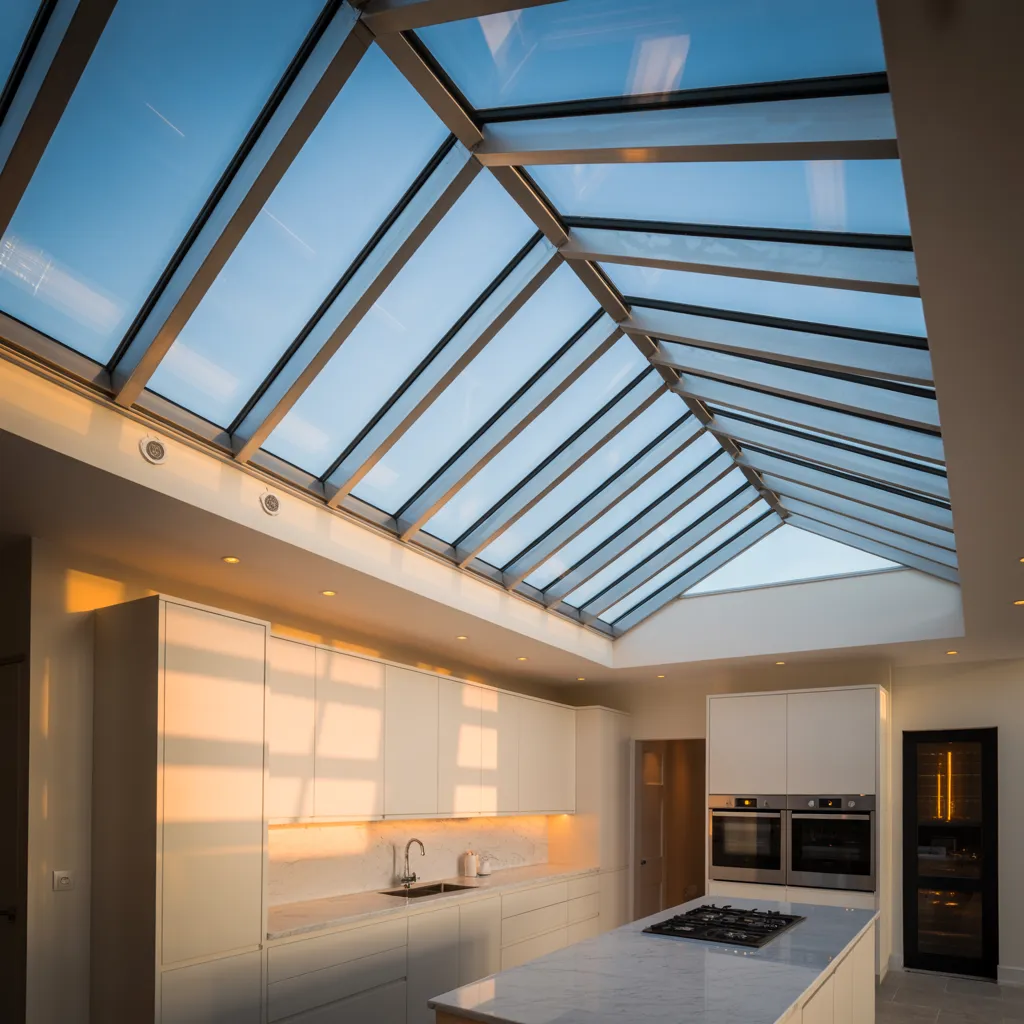
Innovative roof lanterns are increasingly becoming essential elements in modern design. They simultaneously enhance aesthetic appeal but also enhance practical utility by maximizing natural light. With various styles accessible, these features can seamlessly integrate into different building aesthetics. Their impact on space perception and ambiance cannot be understated. As homeowners consider these design options, several key considerations emerge that can influence both preference and location. What are the most effective ways to embed these striking structures?
The Benefits of Roof Lanterns for Contemporary Homes
Roof lanterns offer numerous advantages for modern homes, enhancing both aesthetics and functionality. These architectural features serve as striking focal points, adding character to any room. With their sleek, contemporary designs, roof lanterns can complement various styles, from minimalist to industrial. Additionally, they create a sense of openness, making spaces feel larger and more inviting.
Furthermore, roof lanterns enhance ventilation, helping to regulate indoor temperatures and decrease dependence on artificial cooling systems. Their flexibility allows for placement in various settings, including kitchens, living rooms, and extensions, maximizing usable space. The use of high-quality materials ensures durability and weather resistance, making them a long-lasting investment. Importantly, roof lanterns can increase a property's value, appealing to potential buyers with their modern appeal and practical benefits. Overall, these features create a perfect combination of beauty and utility in contemporary living environments.
How Roof Lanterns Let in Daylight
Roof lanterns function as a striking design element that significantly improves daylight exposure in residences. Their careful positioning allows for an abundance of natural light to fill interior spaces, creating a luminous and welcoming atmosphere. Additionally, the aesthetic appeal of roof lanterns enhances the overall appearance, rendering them a favored option for modern architecture.

Increased Daylight Exposure
When natural light floods a space, it transforms the ambiance, creating a cheerful and warm environment. Roof lanterns serve as a powerful architectural element, increasing daylight exposure in modern living spaces. Positioned strategically, they capture sunlight from multiple angles, maximizing illumination throughout the day. This influx of natural light not only reduces the reliance on artificial lighting but also fosters improved mood and well-being. The generous glass surfaces of roof lanterns allow light to penetrate deep into the interior, illuminating even the darkest corners. Additionally, the dynamic play of sunlight and shadows throughout the day adds a sense of depth and movement, enhancing the overall experience of the space. Ultimately, roof lanterns are an effective solution for enhancing daylight exposure.
Refined Visual Impact
In what way do roof lanterns strengthen the design appeal of your space? These building components serve as eye-catching centerpieces, smoothly integrating utility with refinement. Through incorporating copious natural light, they generate a sense of spaciousness and brightness, transforming even the most confined zones into charming retreats. The distinctive design patterns typically linked with roof lanterns introduce a contemporary style, elevating the overall decor. Moreover, their capacity for light reflection can accentuate tones and textures throughout the room, promoting a unified design experience. In turn, roof lanterns simply brighten and additionally enrich the environment, making them as a important feature for domestic spaces. Their presence embodies refinement and style, appealing to discriminating homeowners.
Placement Suggestions for Outcomes
Placement of roof lanterns can substantially improve the character of a space. Positioning a lantern as a centerpiece above a dining area not only focuses attention but also generates an appealing atmosphere. Additionally, strategically placing one in a living room can maximize natural light, reshaping the environment into a radiant and open retreat.
Accent Suspended Above Your Dining Area
A stunning roof lantern can elevate a dining area, serving as both a practical light source and a distinctive focal point. When situated directly above the dining table, it draws attention and enhances the overall aesthetic of the space. The size and shape of the lantern should match the room's proportions; larger units can create a bold effect in spacious areas, while smaller models create an intimate ambiance in cozier settings. Additionally, the height at which the lantern hangs is important; it should be low enough to offer warmth without blocking sightlines. Incorporating complementary decor, such as coordinated pendant lights or wall art, can further unify the design, ensuring the lantern becomes a cohesive element within the room.
Natural Light In Living Room
Maximizing natural light in a living room can significantly alter the space, creating a luminous and inviting atmosphere. Strategically placing roof lanterns can improve this effect by flooding the area with sunlight. Ideal locations include above central seating arrangements, where light can diffuse evenly, or near large windows to complement existing daylight. Incorporating lanterns in corner spaces can also create a sense of airiness, drawing the eye upward and making the room feel larger. Additionally, using reflective surfaces, such as reflectors, can amplify the natural light, enhancing the overall brightness. Selecting designs that harmonize with the room’s decor will further elevate the aesthetic, ensuring the space remains both functional and visually appealing.
How to Pick the Right Roof Lantern Design for Your Space?
When choosing the perfect roof lantern style for a specific space, several considerations must be considered to guarantee alignment with the overall design. First, the architectural style of the building is an important role; a traditional home may suit a classic lantern design, while a modern structure might suit a contemporary, minimalist style.
To begin with, the proportions of the area is important; spacious rooms can display more ornate lanterns, while smaller rooms may require more subtle designs to prevent dominating the area. Additionally, the purpose of the room should direct the decision; for instance, a kitchen might choose a more practical approach, while a family room could integrate aesthetic touches.
Lastly, hue and fabric should match existing aesthetics, ensuring the lantern enhances rather than detracts from the overall ambiance. By carefully evaluating these components, one can select a roof lantern that enhances the space successfully.
Blending Roof Lanterns With Home Décor Features
Furthermore, the choice of materials and finishes for the lantern can coordinate with current interior elements, such as wood beams, metal fixtures, or color palettes. Adding adjustable blinds or shades can further enhance versatility, permitting for control of light that suits the room's mood.
In addition, intentional blending with botanical elements or decorative art can form focal points that draw the eye upward, emphasizing height and space. Ultimately, well-coordinated combinations of roof lanterns and home design aspects can transform a room into a integrated and luminous sanctuary.
Care Suggestions for Roof Lantern Lifespan
Blending roof lanterns with interior décor creates a stunning aesthetic, but to maintain their beauty and functionality over time, periodic maintenance is obligatory. Regular cleaning is important; employing a soft cloth and a mild detergent will prevent dirt and grime from accumulating on the glass surfaces. Moreover, assessing the seals and frames periodically helps identify any signs of wear or deterioration, guaranteeing that leaks do not surface.
It is also recommended to evaluate the drainage system to prevent water pooling, which could lead to structural damage. If the lantern possesses any electrical components, consistent checks for wiring integrity and functionality are critical for safety. Finally, coating a protective layer can reinforce the durability of the frames against weathering. By following these preservation strategies, homeowners can verify that their roof lanterns remain a notable focal point discover details on for years to come.
Frequently Posed Questions
Which Materials Are Often Employed in Roof Lantern Construction?
Roof lantern construction typically uses common materials such as aluminum, timber, and uPVC for frames, while glass, particularly double or triple-glazed types, is commonly selected for the glazing, maintaining strength, insulation, and aesthetic appeal in modern designs.
Do roof lanterns work when installed to existing homes?
Yes, roof lanterns can be installed in already-built homes. However, meticulous planning is necessary, as structural strength, adequate airflow, and design alignment must be taken into account to confirm a effective integration with the present style and structure.
Are Roof Lanterns Really Sustainable Choices?
Roof lanterns offer energy-efficient alternatives, mainly when fashioned with high-performance glazing and appropriate insulation. They enhance natural lighting, decreasing dependence on artificial sources, which can lead to reduced energy consumption in residential spaces.
How Do Roof Lanterns Impact Home Insurance Rates?
Roof lanterns can affect home insurance premiums by possibly raising property value and risk assessments. Insurers may consider factors like installation quality and materials used, impacting overall coverage costs and rates for homeowners.
What Is the Average Cost of Installing a Roof Lantern?
The standard rate of installing a roof lantern typically spans from £1,500 to £3,500, determined by size, materials, and installation complexity. Homeowners should consider additional expenses for structural modifications and expert installation services.